RSV Across the Generations: What the Tri-State Should Know
RSV affects every age differently. Learn the warning signs to watch for in babies, kids and older adults across Evansville and the Tri-State.

Written by: Corey Alexander
Published on: November 17, 2026
As the holiday season gets closer, homes across Evansville and the Tri-State will soon fill up with grandparents, cousins, new babies and travelers from out of town.
Few things bring a household together like the holidays. Unfortunately, few things spread through a household like Respiratory syncytial virus, or RSV.
RSV is a common respiratory virus that circulates from fall through spring. For most people, it’s a mild illness that clears up at home within a week or two.
But for infants, older adults and people with weakened immune systems, it can sometimes be life-threatening.
That’s why it helps to know what to watch for at every age.
Babies and Infants
Parents, we know how hard it can be to tell whether your baby has RSV or just a stuffy nose. Babies can’t tell you what’s wrong, so the clues are in how they eat, sleep and breathe.
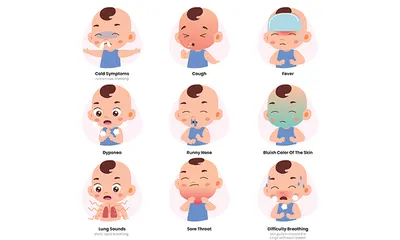
It is important to know that RSV can inflame the smallest airways and make it hard for a baby to feed or breathe. You should watch for fast or noisy breathing, wheezing, poor feeding, and unusual sleepiness. If your baby is younger than 3 months and has a fever, call your pediatrician right away. And if your little one is struggling to breathe, don’t wait. Visit your nearest ER.
Protection is available, and the American Academy of Pediatrics advises it for babies under 8 months who are born during RSV season or heading into their first one. The exception is babies whose mothers received the RSV vaccine during pregnancy, since those babies already have some protection.
Those between 8 and 19 months who face a higher risk of severe illness may benefit from another dose as their second RSV season begins. Your pediatrician can help you decide which fits your family.
Healthy Children and Adults
For most older kids and healthy adults, RSV looks like a cold: a runny nose, a cough and sometimes a fever. Symptoms usually stay mild and fade within a week or two, and rest and plenty of fluids at home are often all they need.
Parents should call a doctor if child’s breathing looks labored, if they can’t keep fluids down or if they seem to be getting worse after a few days instead of better.
For adults with asthma, COPD, heart disease or diabetes, you may be at greater risk for complications, including pneumonia and flare-ups of existing conditions.
If you notice your cough getting worse, new wheezing or shortness of breath, or your usual symptoms are harder to control, call your provider rather than waiting it out.
Older Adults
RSV is a major cause of respiratory illness in seniors. Extra tiredness, shortness of breath, confusion or a cough that keeps getting worse should not be ignored. RSV vaccines are available and the Centers for Disease Control and Prevention recommends it for adults 75 and older and for some adults 50 to 74 at increased risk. If you’re not sure whether you or your loved one qualifies, talk to a doctor to be sure.
Protecting Your Family
A few simple habits can go a long way toward keeping RSV from spreading at home. Wash your hands before holding a baby or visiting older relatives, and stay home when you have symptoms, even if it feels like just a cold. Clean shared surfaces and toys often, since the virus can linger on hard surfaces for hours.
If you're worried about breathing, hydration or how someone is acting, our new doctor-led Emergency and Urgent Care is here 24/7 to evaluate, treat and guide you and your family.
The best holiday memories are made around the table, so here’s to a season of zero trips to the ER. Be well, Evansville.